The screwworm is back. The response is ready.
M3 deploys proven science to stop it before it spreads.
M3 deploys proven science to stop it before it spreads.
The parasitic fly has re-entered the US after 50+ years of eradication.
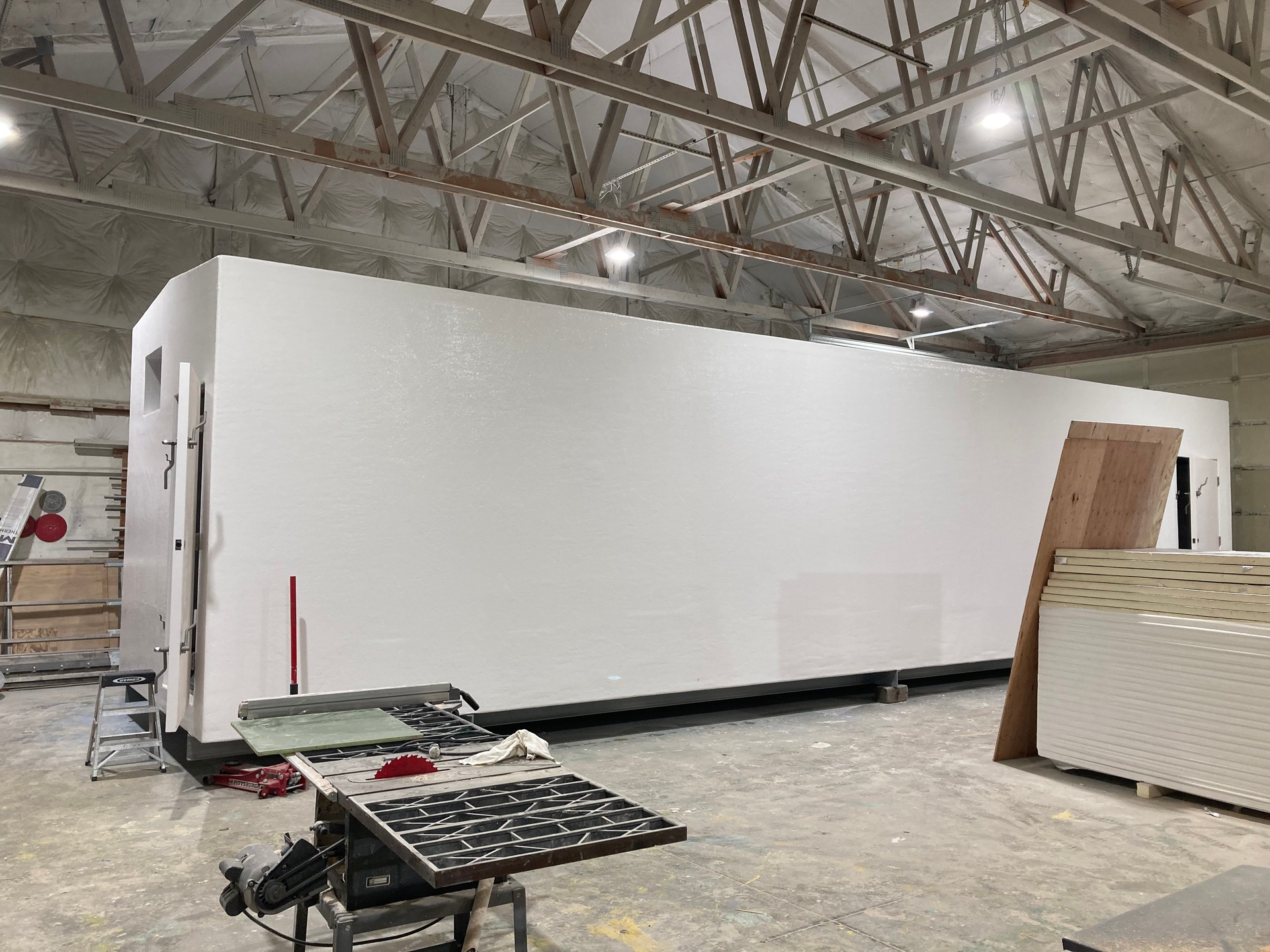
M3's modular X-ray sterilization units are self-contained, trailer-shippable, and operational within weeks. Multiple units network together to create facility-scale production capacity. No fixed infrastructure needed.
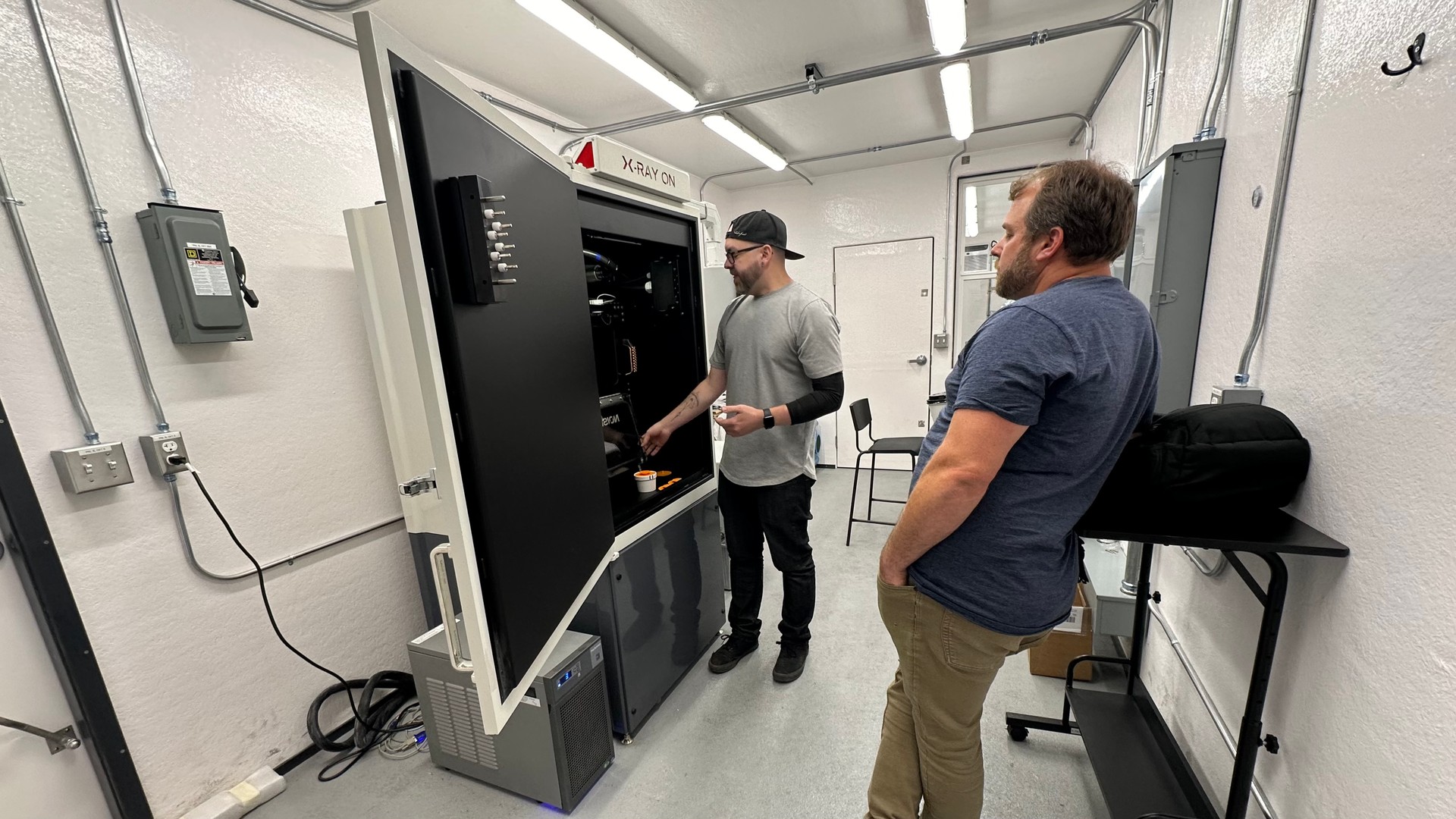
No radioactive sources. The Precision X-Ray XRad320 replaces cobalt-60 and cesium-137 with switch-on, switch-off X-ray technology, validated by Sandia National Laboratories (SAND2023-07064, 2023) and funded by DOE/NNSA.
Every sterile fly M3 produces enters directly into USDA's existing eradication framework. Fully additive. Zero disruption to current operations.
SIT has always been the answer. The challenge is production at the speed the outbreak requires.
Inaugurated in 2006, COPEG maintained the North American screwworm barrier, releasing approximately 20 million sterile flies per week at the Panama-Colombia border.
USDA committed $21 million to retrofit a fruit fly production facility in Metapa, Mexico, targeting an additional 30 to 60 million sterile flies per week. USDA states that containment needs up to 500 million a week.
M3's modular protocol targets 100 million sterile flies a week from 30 modules with approximately $60 million in program support. Twenty-five million a week within nine months of activation, 100 million within 12, subject to activation and licensing.
Each module is 40 ft by 10 ft by 10 ft and sterilizes with a Precision X-RAD 320 irradiator. Thirty production and support modules make a facility.
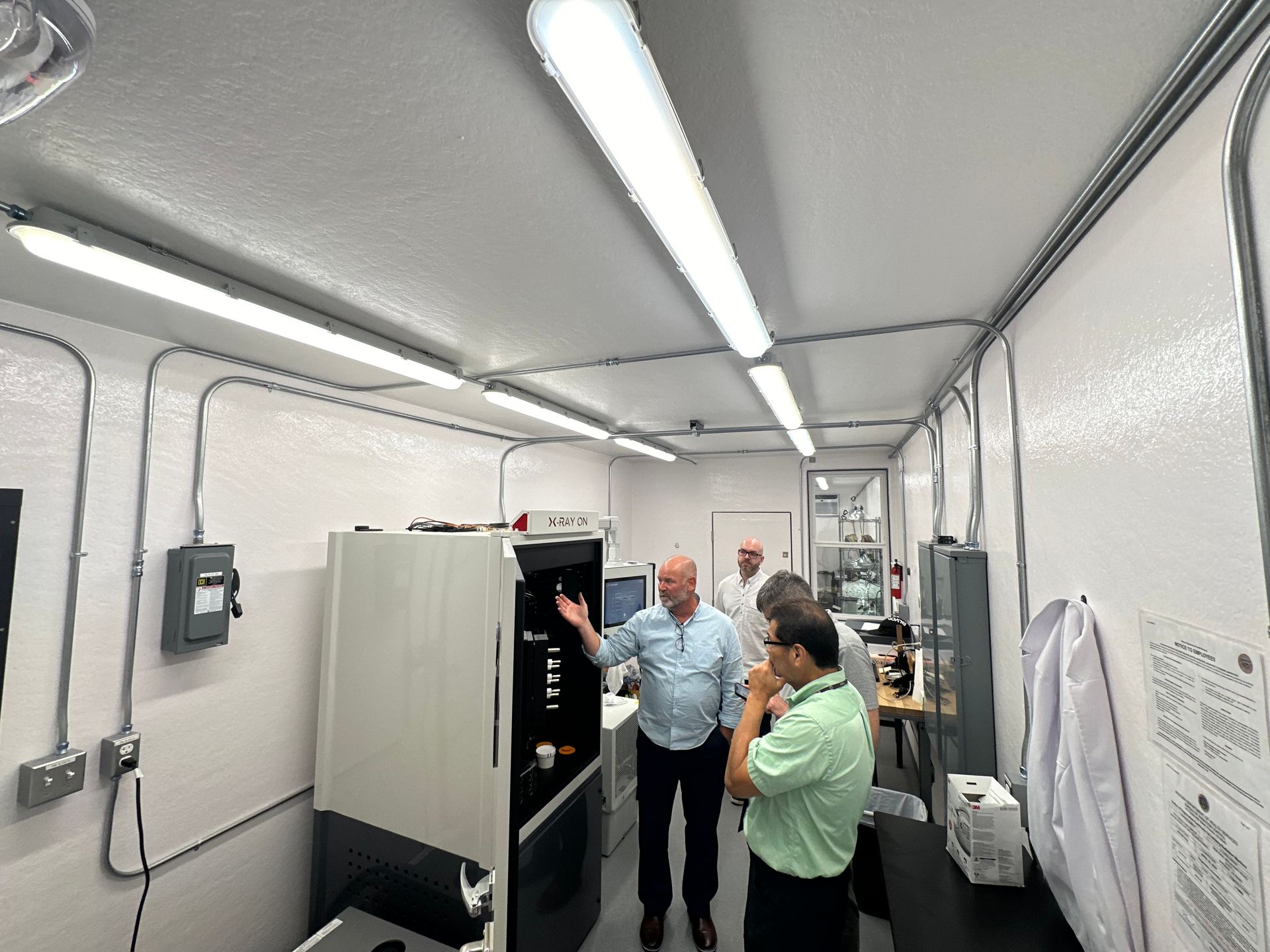
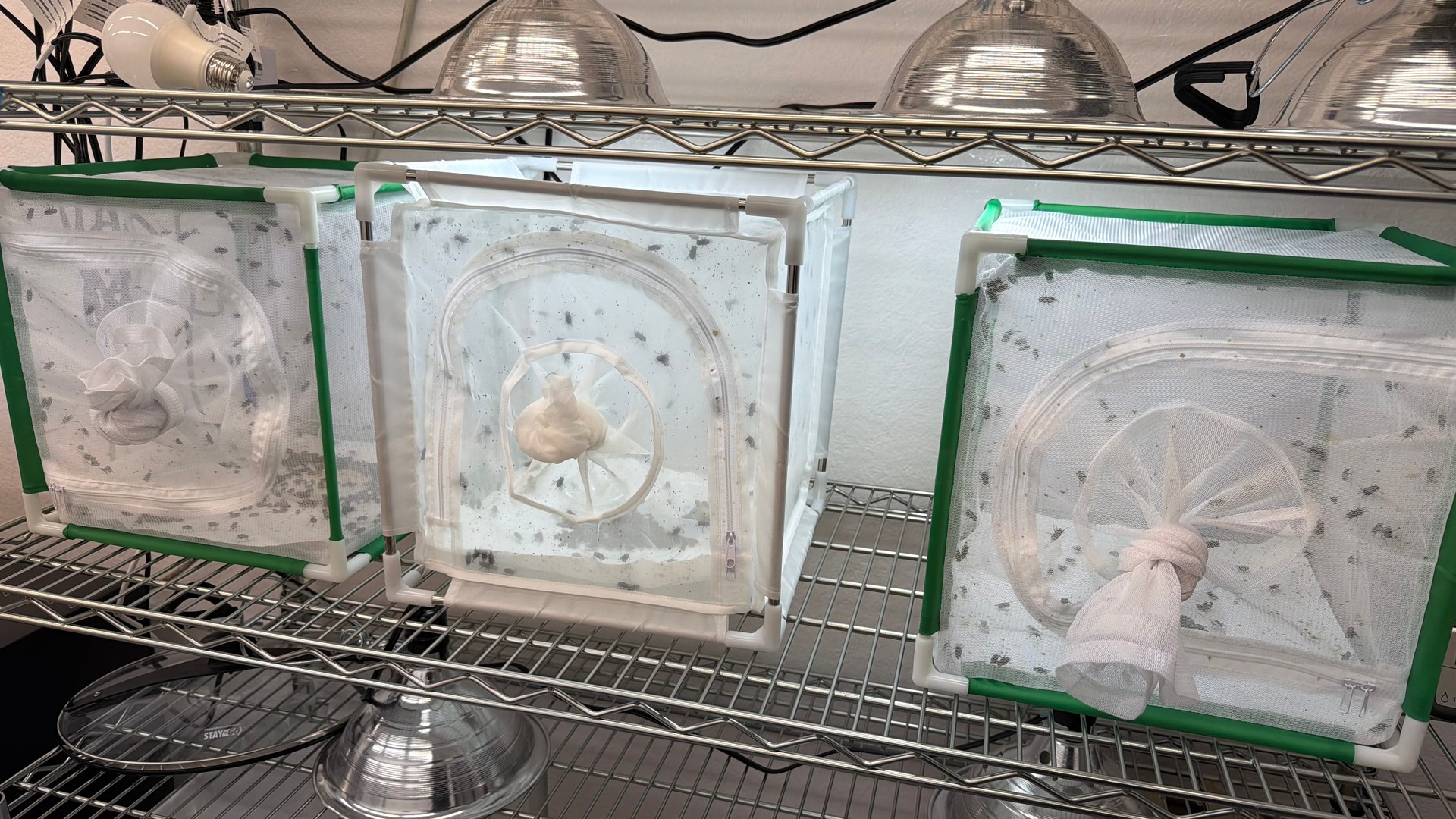

A field-deployable protocol for producing sterile flies with commercially available X-ray irradiators, without a cobalt-60 source in the production chain.
The bottleneck is not the science. There are not enough sterile flies.
M3 is additive to the national response, not a competitor to it. M3 holds multiple USDA APHIS PPQ permits and brings over a decade of regulatory implementation of sterile insect techniques across species programs.
M3 began collaborative work with USDA APHIS in 2013 and was named USDA APHIS Small Business Contractor of the Year in 2017.
For state animal health officials, federal program staff, and producer groups: M3 is ready to add modular sterile fly production to the response.