Sterile insects, produced anywhere, released where they are needed.
Modular X-ray sterilization, drone release, and the rearing science behind both.
Modular X-ray sterilization, drone release, and the rearing science behind both.
Entomology and engineering, built together.
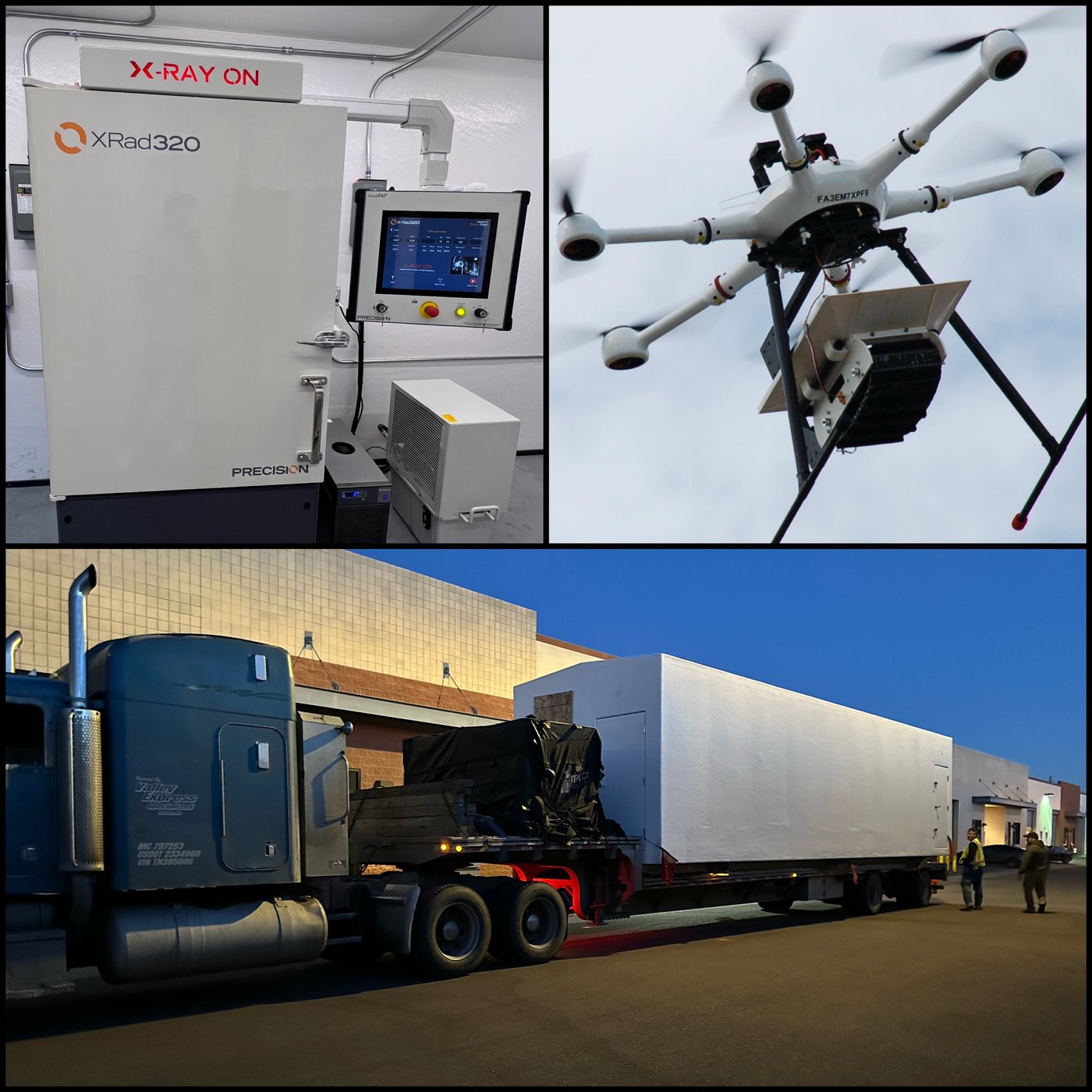
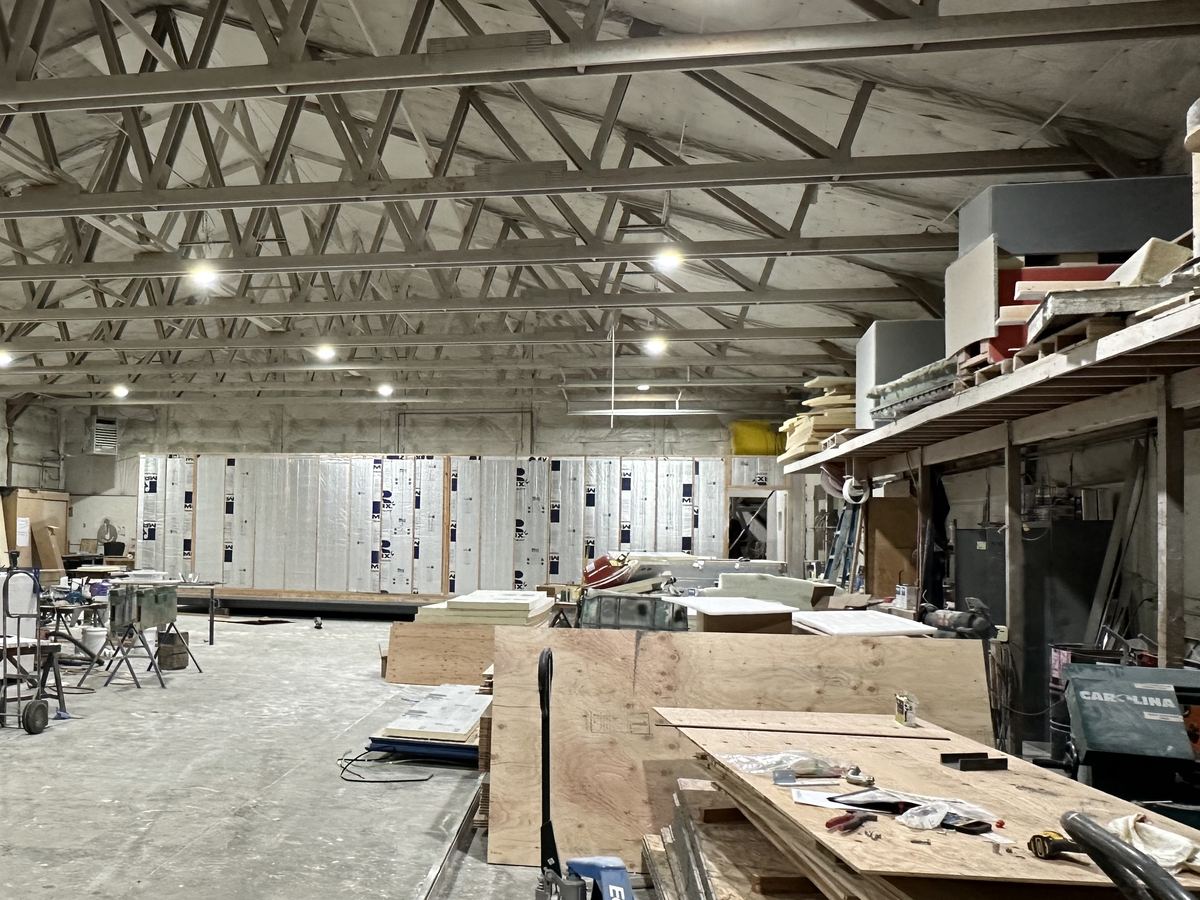
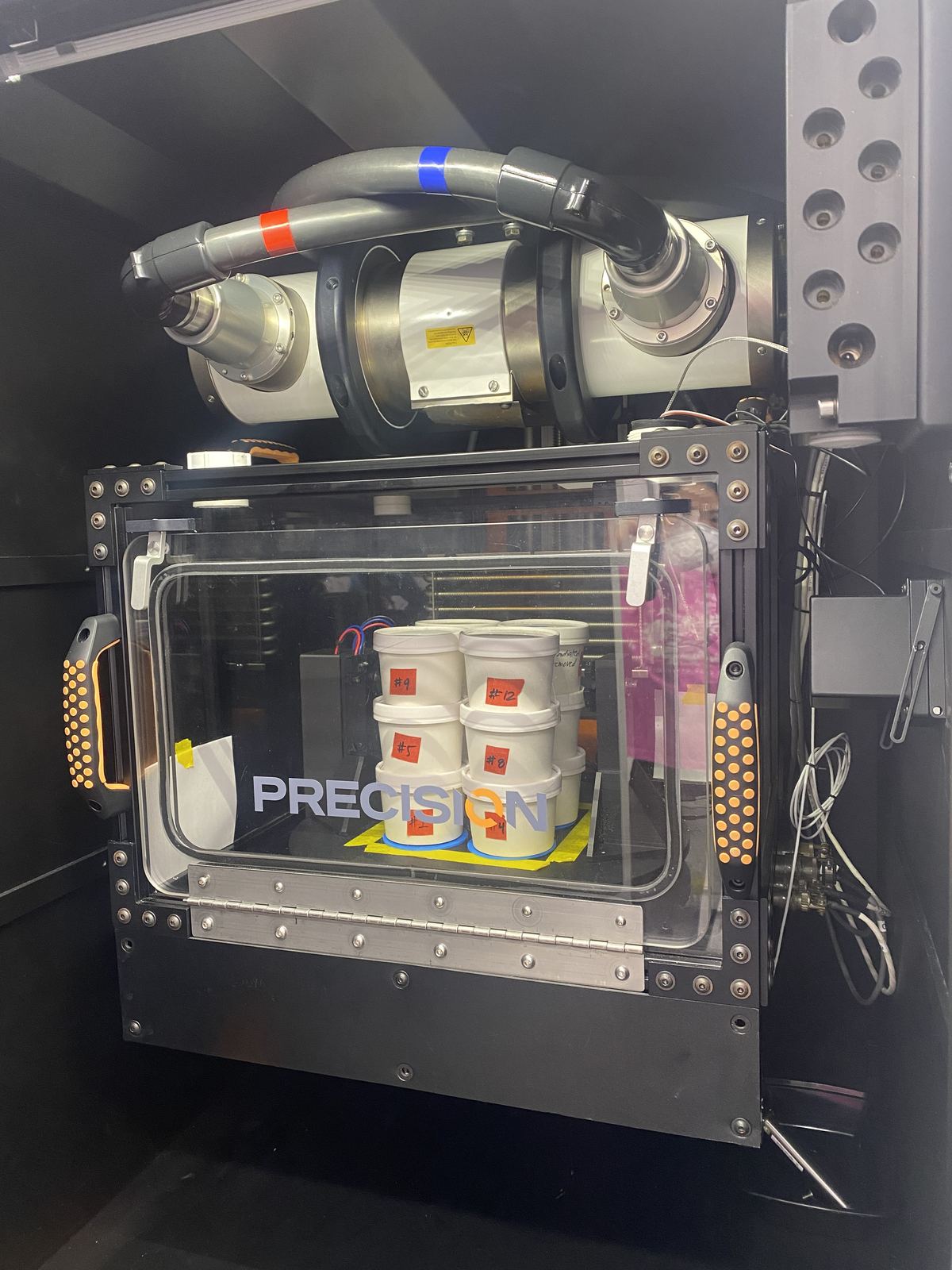
Each module is 40 ft by 10 ft by 10 ft and sterilizes with a Precision X-RAD 320 irradiator. Thirty production and support modules make a facility.
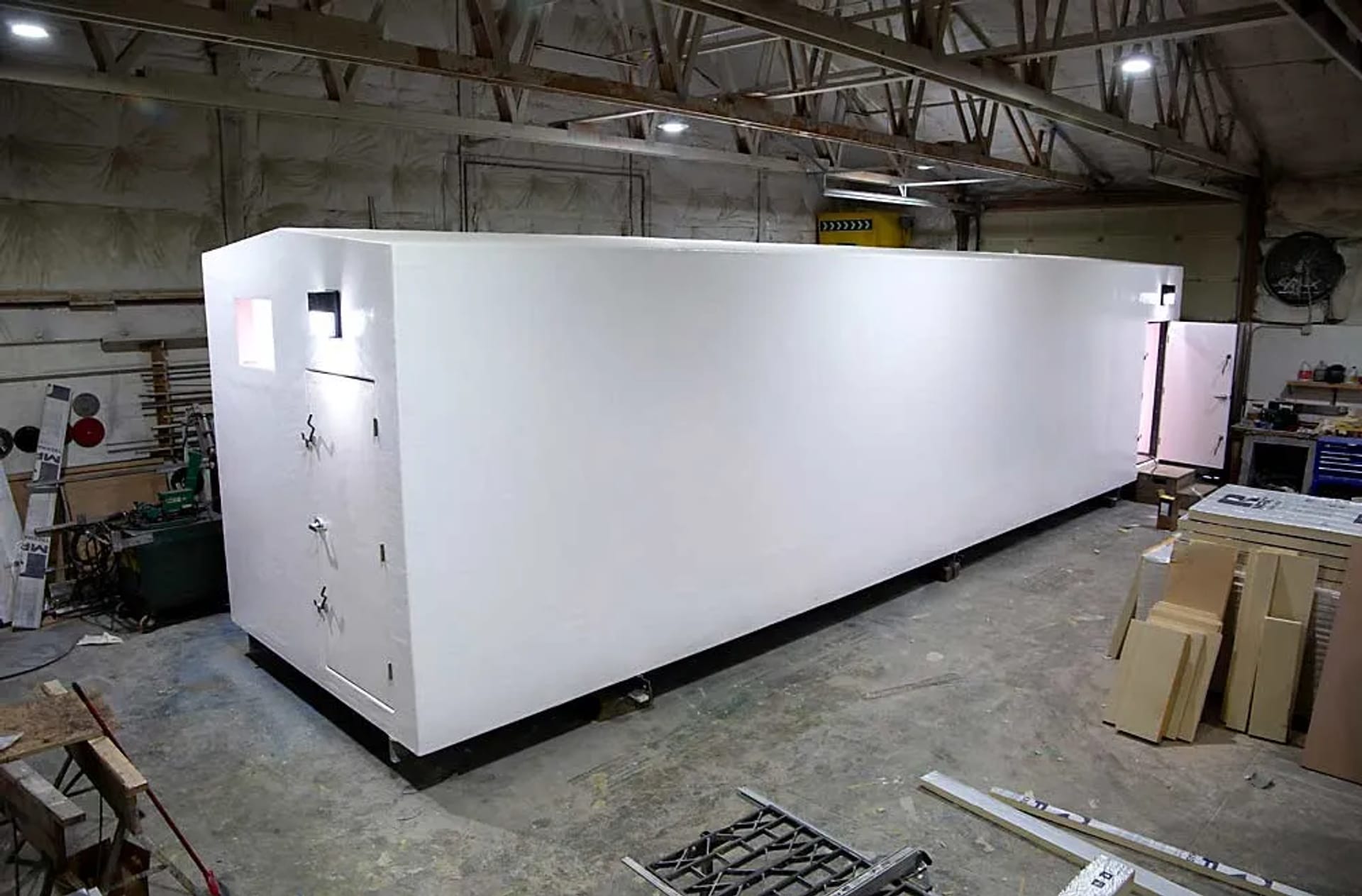
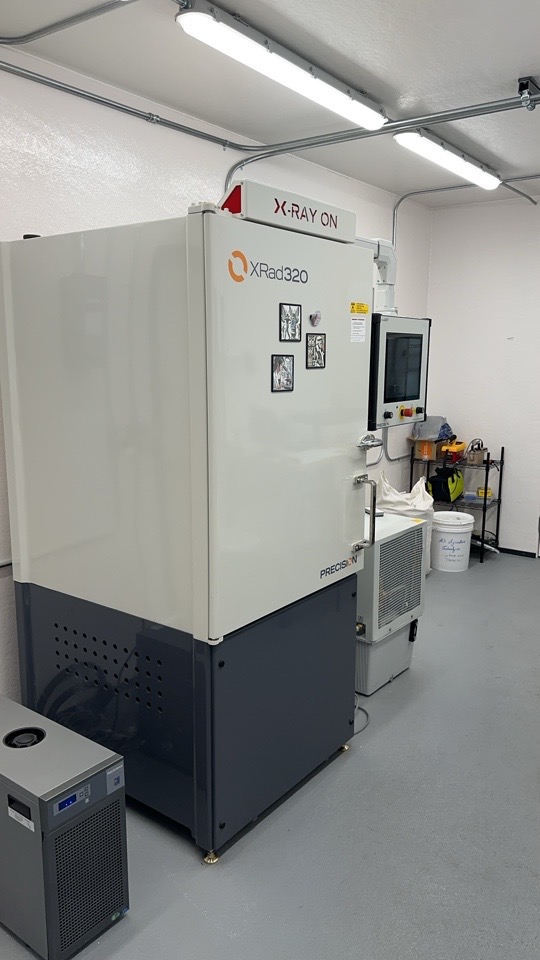
X-ray sterilization is validated, not experimental. Switch it off and it is inert.
The Precision X-Ray XRad320 replaces cobalt-60 and cesium-137 with switch-on, switch-off X-ray technology, validated by Sandia National Laboratories (SAND2023-07064, 2023) and funded by DOE/NNSA.
Removing high-activity sources from the production chain supports the Reduce mission of the DOE/NNSA Office of Radiological Security. A $1 million grant from the National Nuclear Security Administration supports M3's X-ray-based insect suppression method.
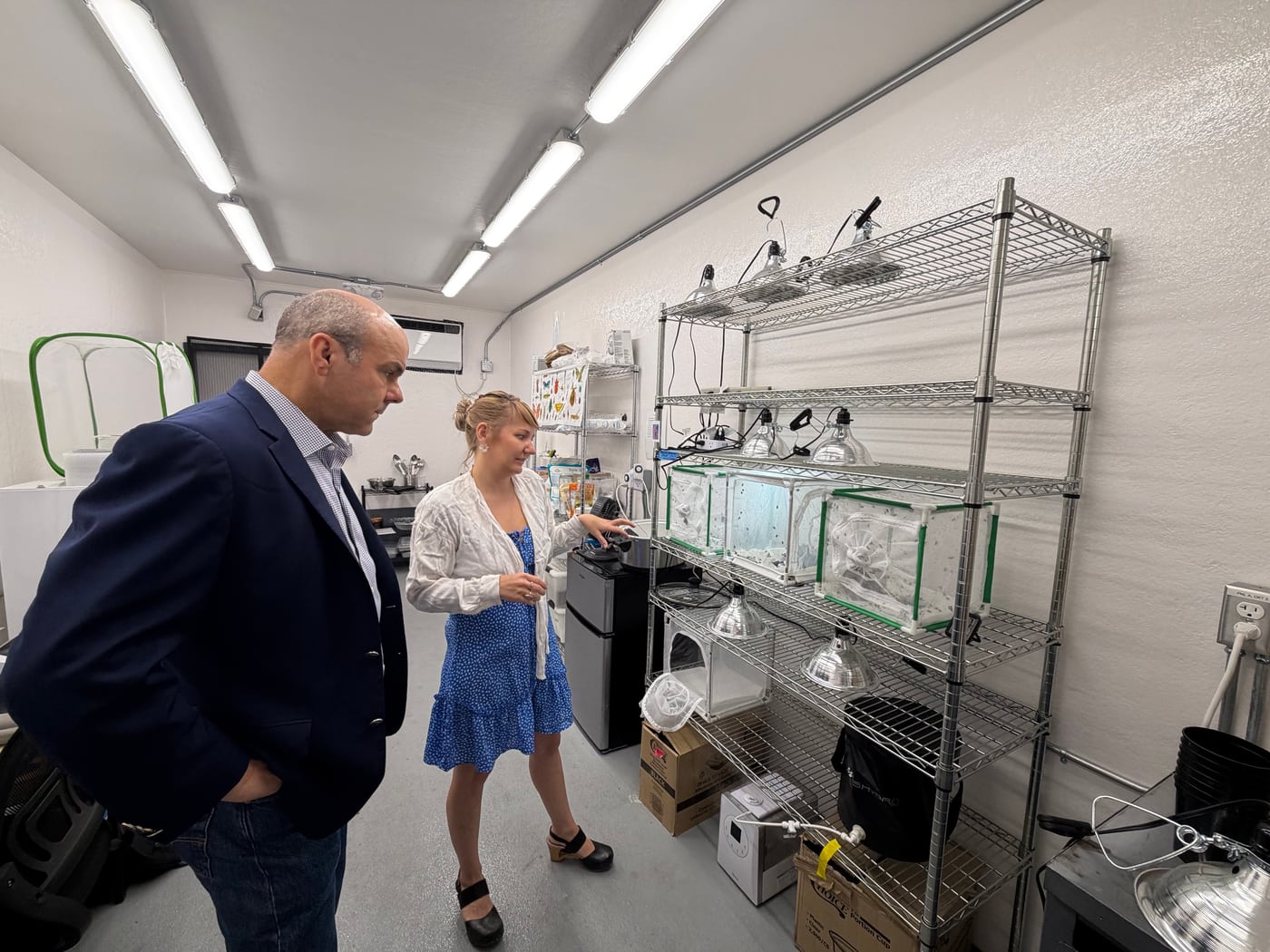
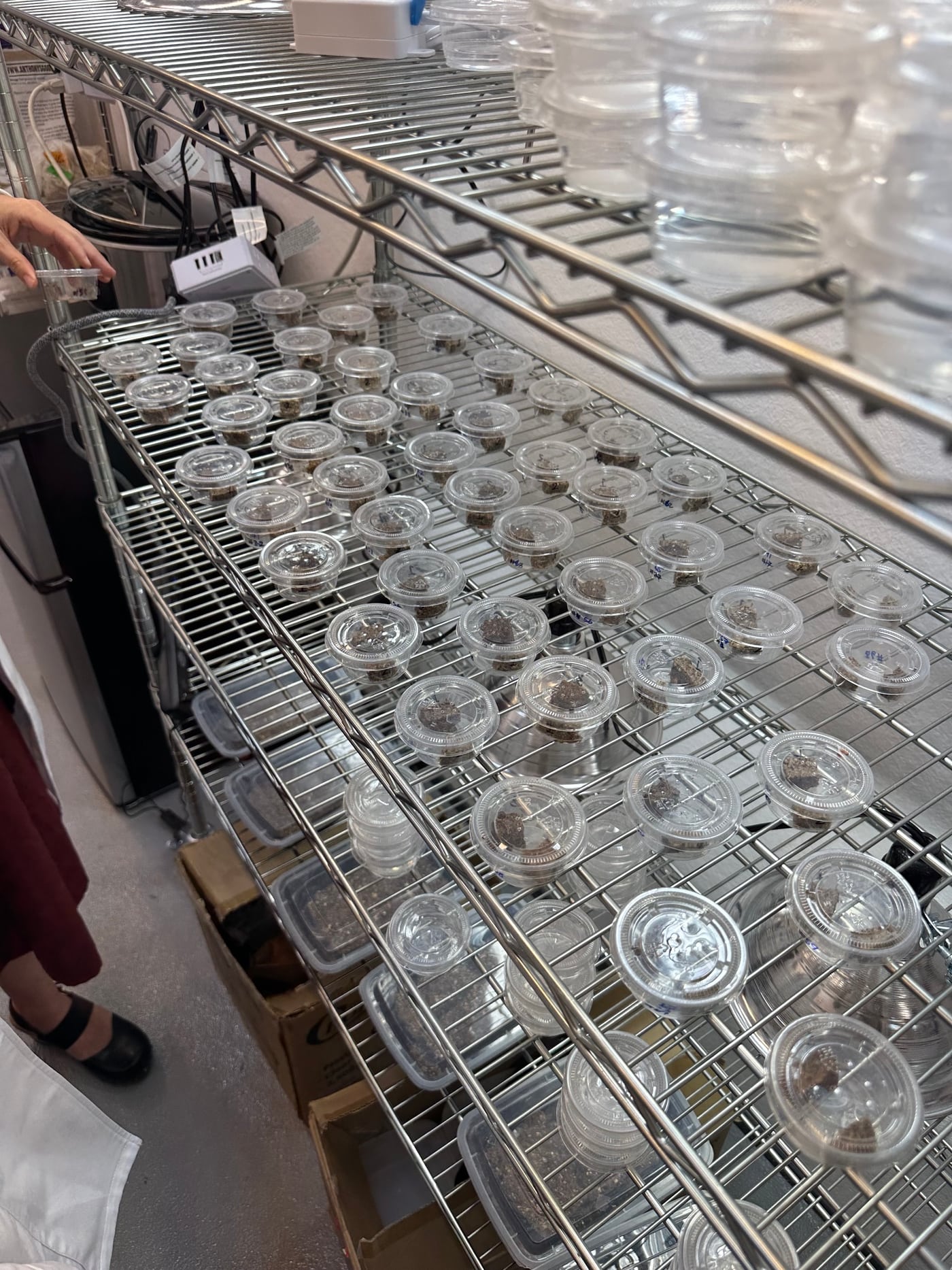
Diet is 30 to 50 percent of total production cost, and the quality of the sterile insect starts there.
Dr. Marion Le Gall applies the Geometric Framework for Nutrition to develop optimal diets for rearing the insects that SIT programs target. Nutrient intake shapes insect physiology and behavior, which improves the quality of sterile insects.
Codling moth programs use inherited sterility, which works by making the next generation fail rather than by preventing eggs outright. Insects do not evolve resistance to being mated by a sterile partner.
Flight mills, emergence rates, and mating competitiveness are tested before release. Only insects that meet quality thresholds reach the field.
Drone release recaptures 40 to 70 percent more moths than ground release. In 2015 M3 made the first release of sterile pink bollworm from a small unmanned aircraft system.
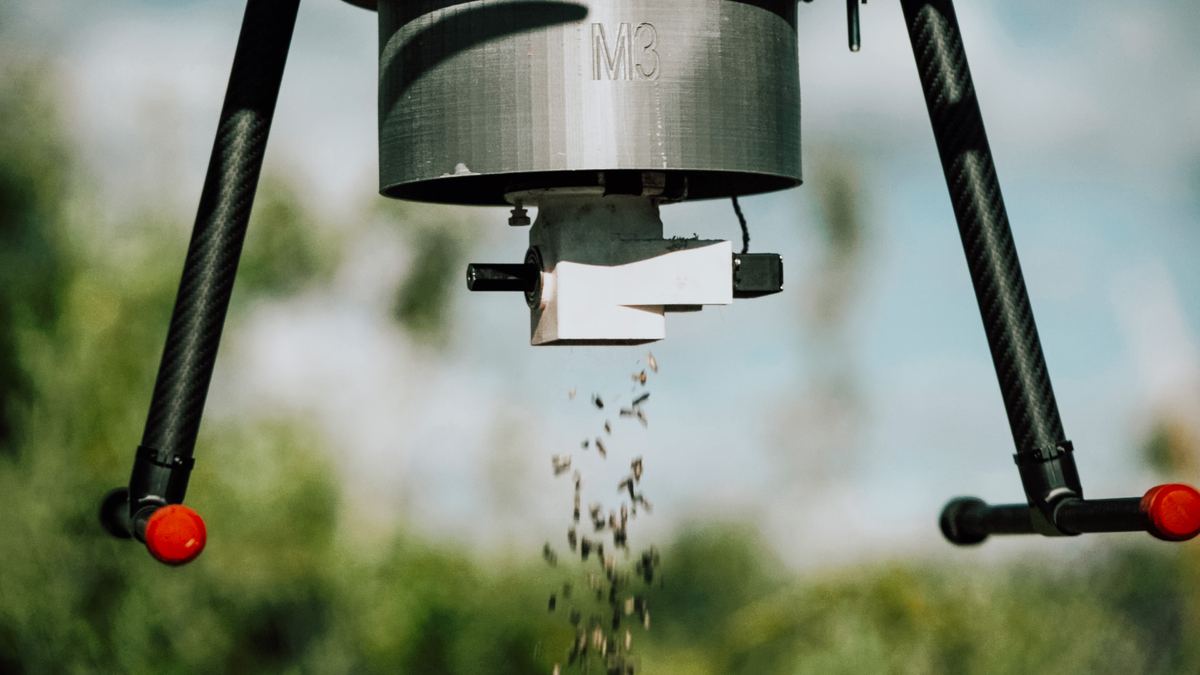

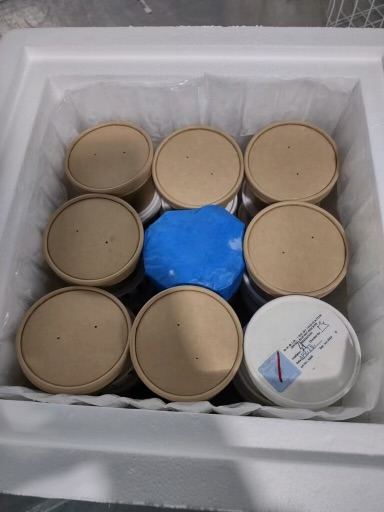
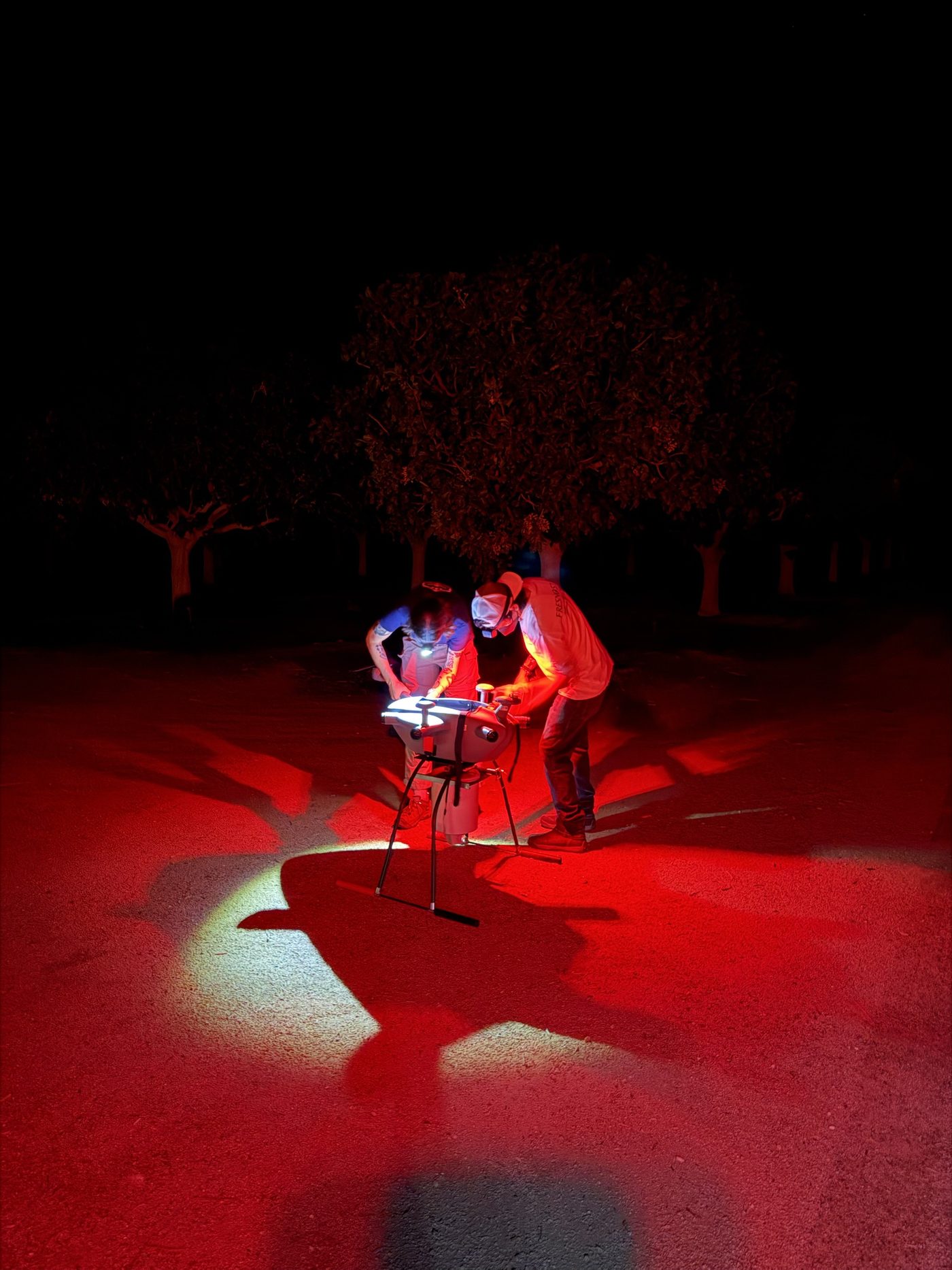
Insects have low mass, a high surface-area-to-volume ratio, and a protective exoskeleton, so a drop from a drone does not damage them.