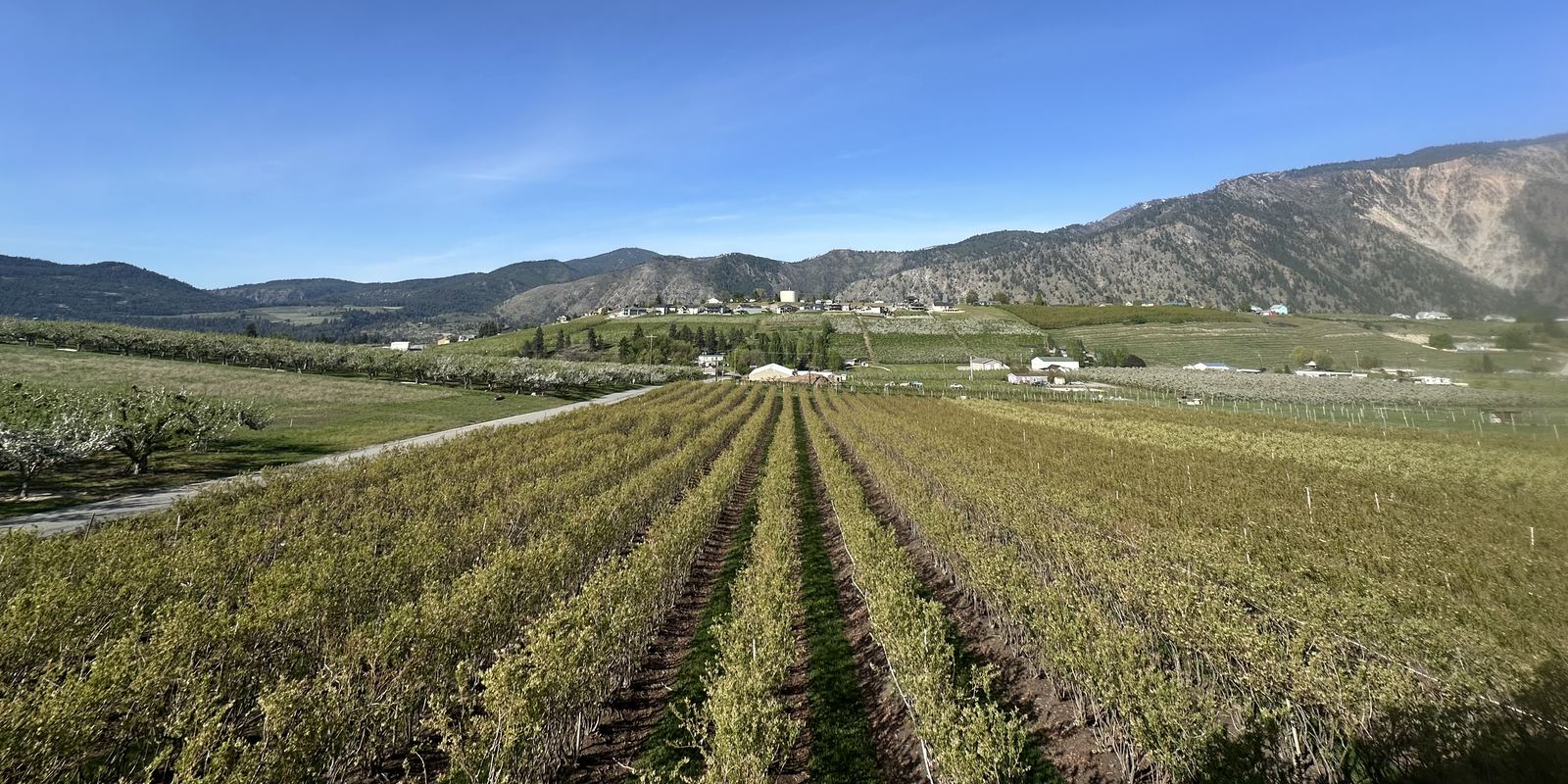
Your partner in Sterile Insect Technique pest defense.
M3 delivers complete pest management systems: modular X-ray sterilization, drone deployment, and the entomology that makes both work.
Prefabricated, field-ready modules provide rapid, isotope-free sterile insect production that deploys anywhere.
Integrated Pest Management support combines drone-based sterile insect release with a grower's existing program, so reliance on chemicals falls as populations do.
Drone release recaptures 40 to 70 percent more moths than ground release, and releases repeat weekly for as long as adults are flying.
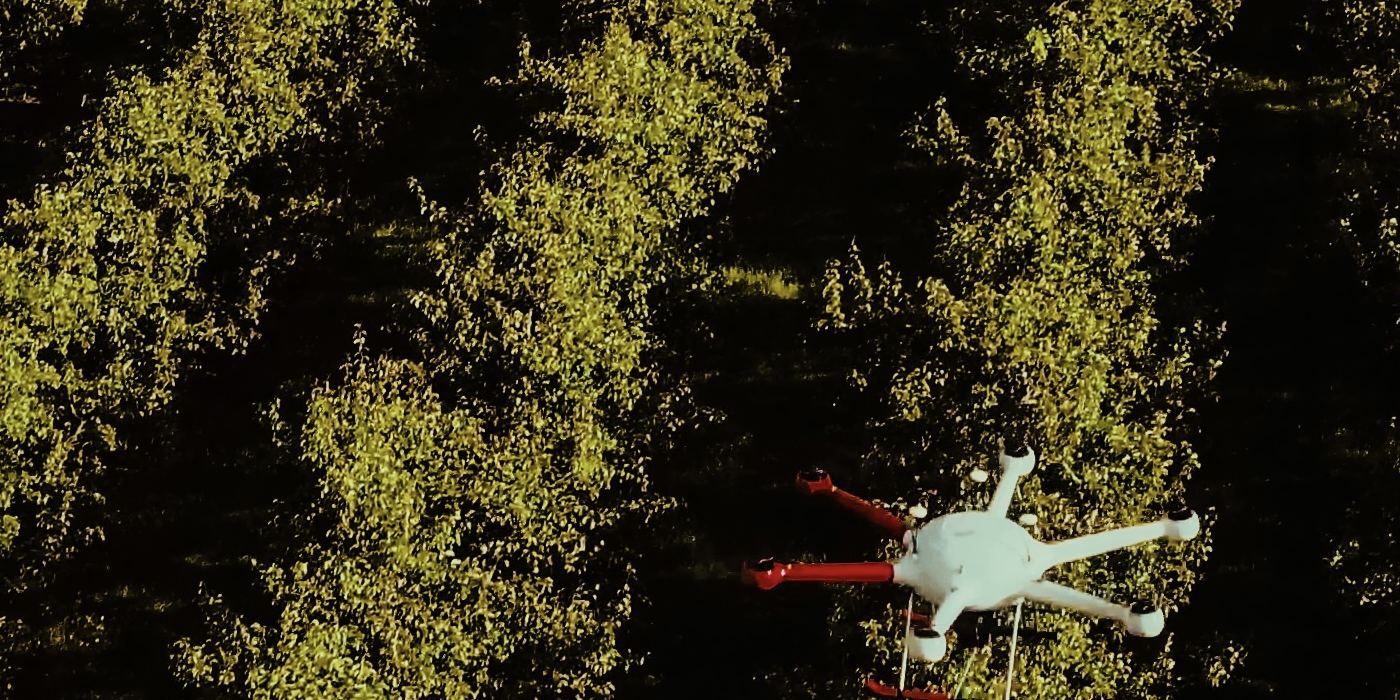
Area-wide sterile insect release across 5,057 acres a week in the 2026 season. Codling moth does not stop at the property line.
Rates and how it works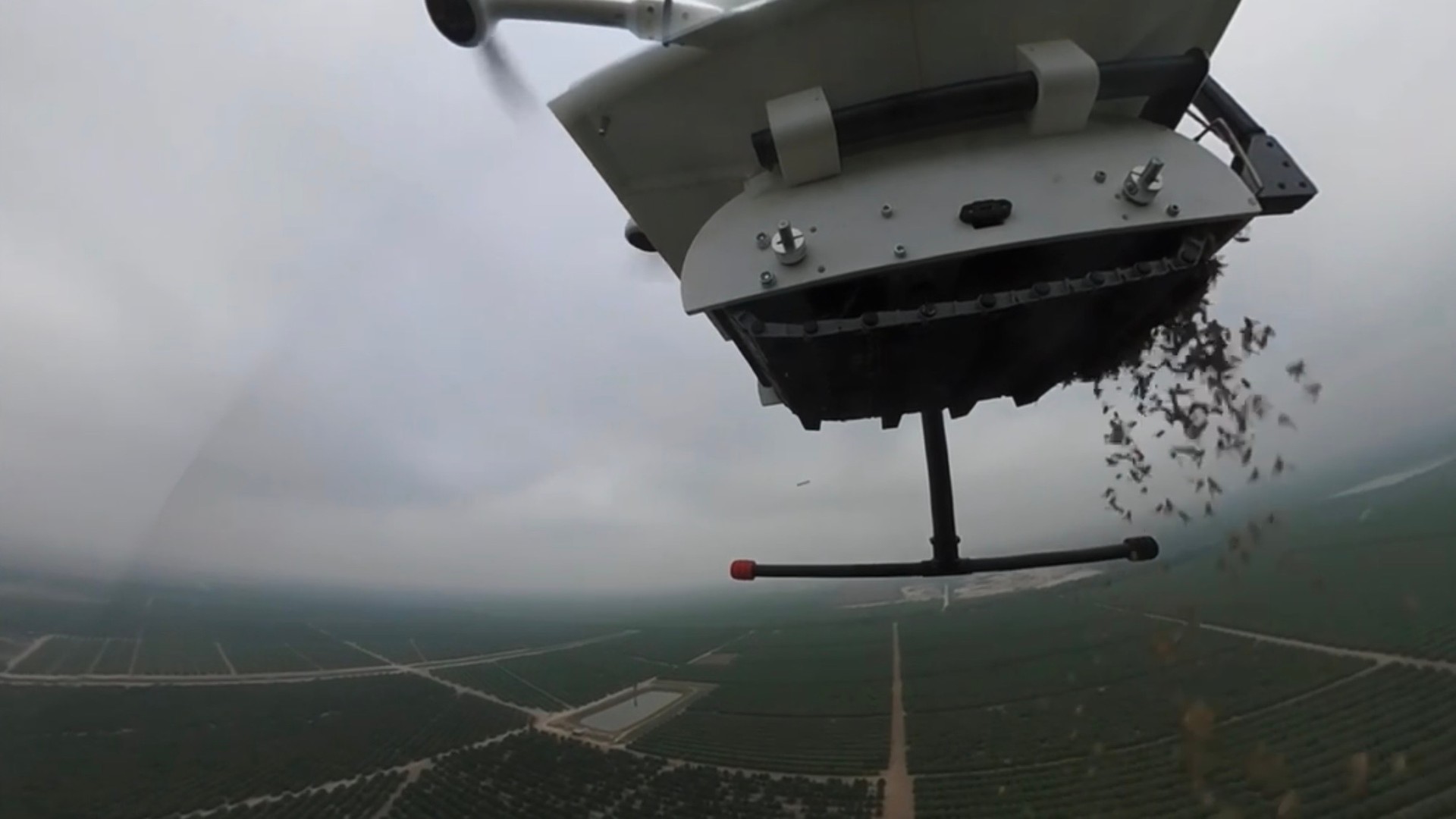
A sterile fly supply that ships. Thirty modules make a facility designed for 100 million sterile flies a week, without a cobalt-60 source.
Rapid responseThe Okanagan-Kootenay Sterile Insect Release program has run area-wide sterile insect release since the 1990s. Wild captures are down more than 92 percent and pesticide use down 88 to 97 percent since 1991.
M3 sources sterile codling moths from that program, which tests flight performance, emergence rates, and mating competitiveness before shipping.
Source: OKSIR 2025 season-end results.
Sterile insect technique works through reproduction rather than toxicity, so it is species specific and leaves no residue.
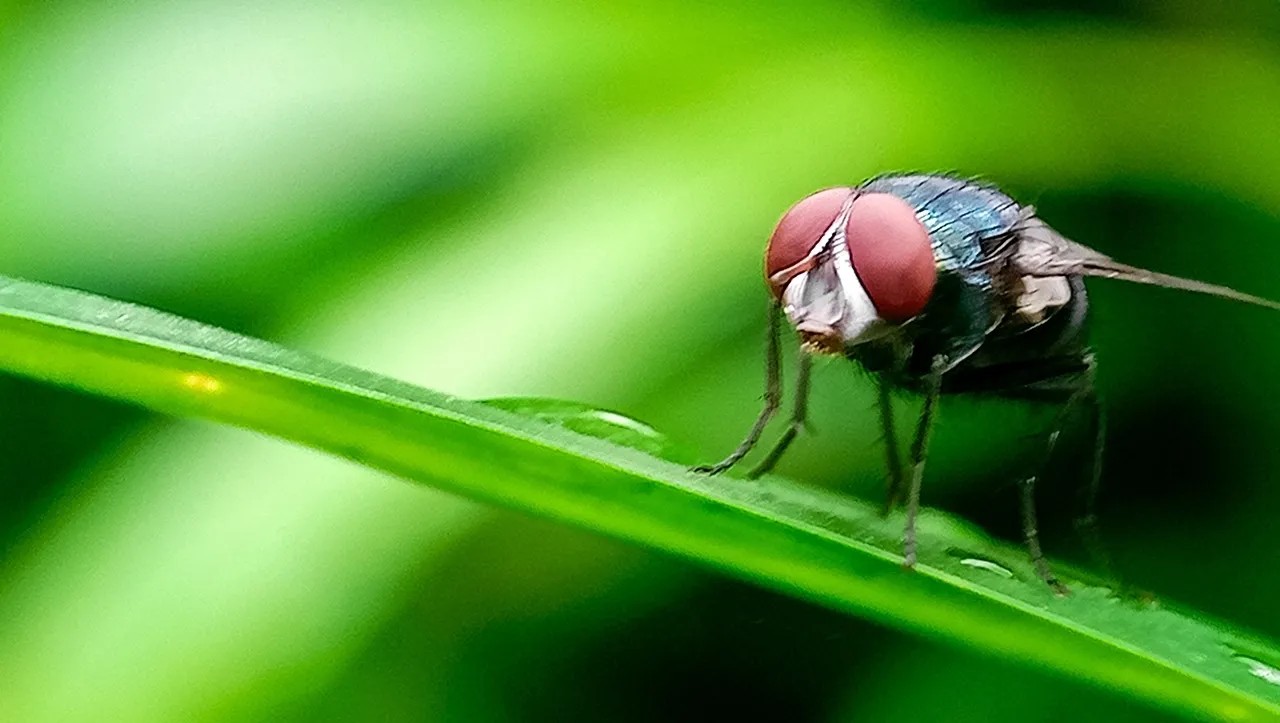
A historic sterile insect technique success. M3 now deploys modernized modular systems for livestock protection.
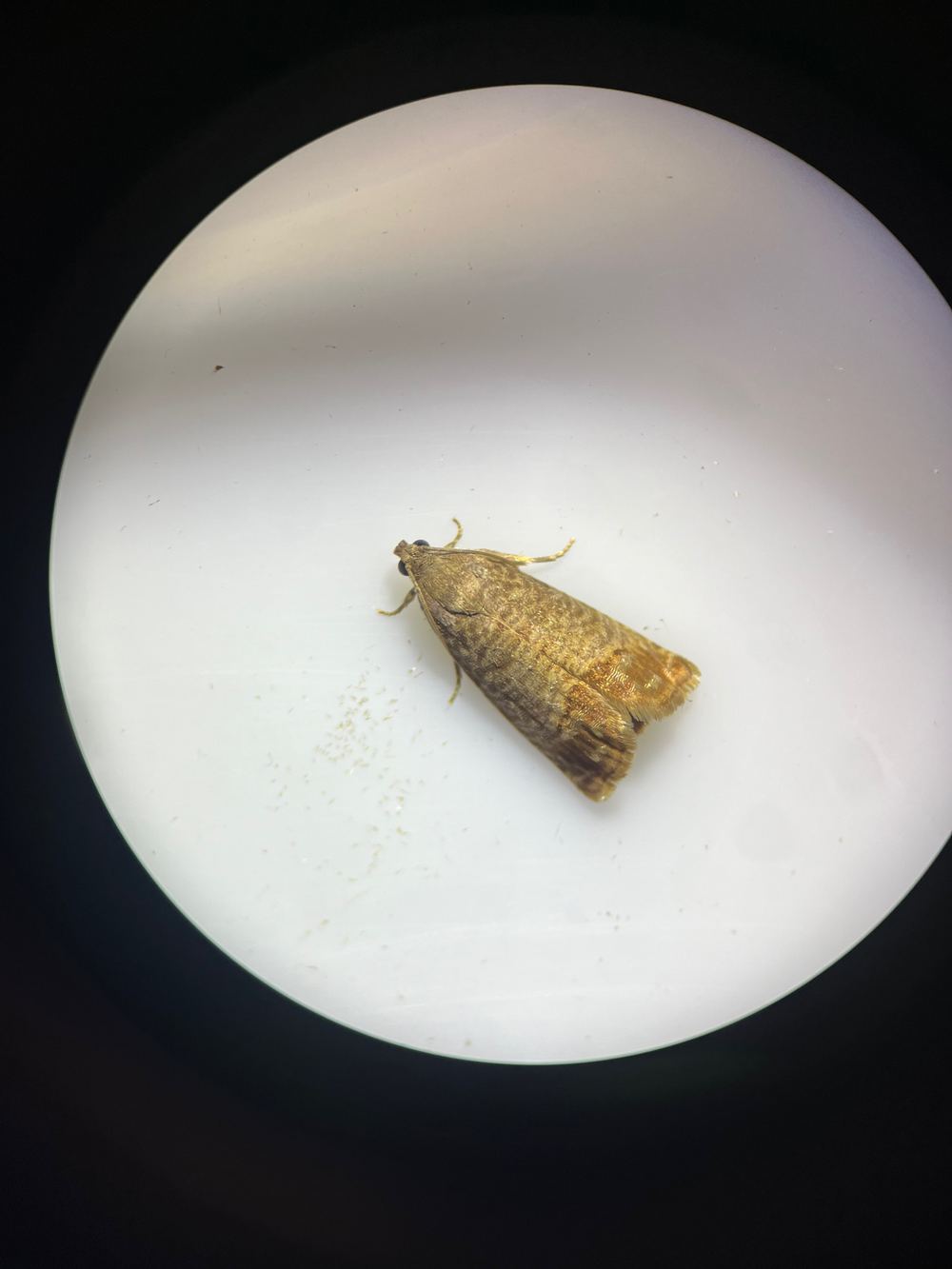
Sterile moths released into orchards disrupt the reproduction cycle and reduce reliance on pesticides.
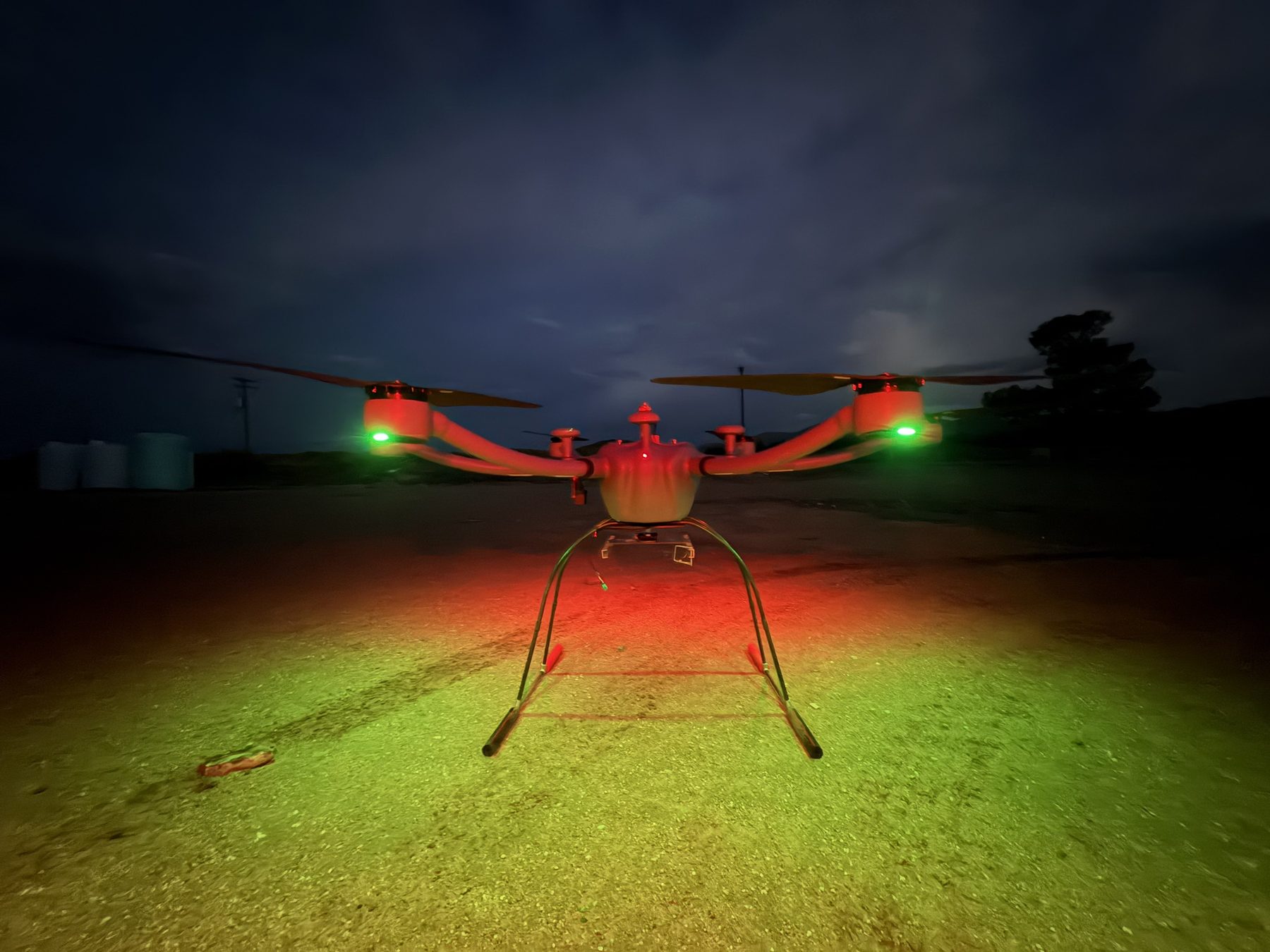
Sterile insect release for nut crops, flown at night when the moths fly: almonds and pistachios protected without added chemistry.
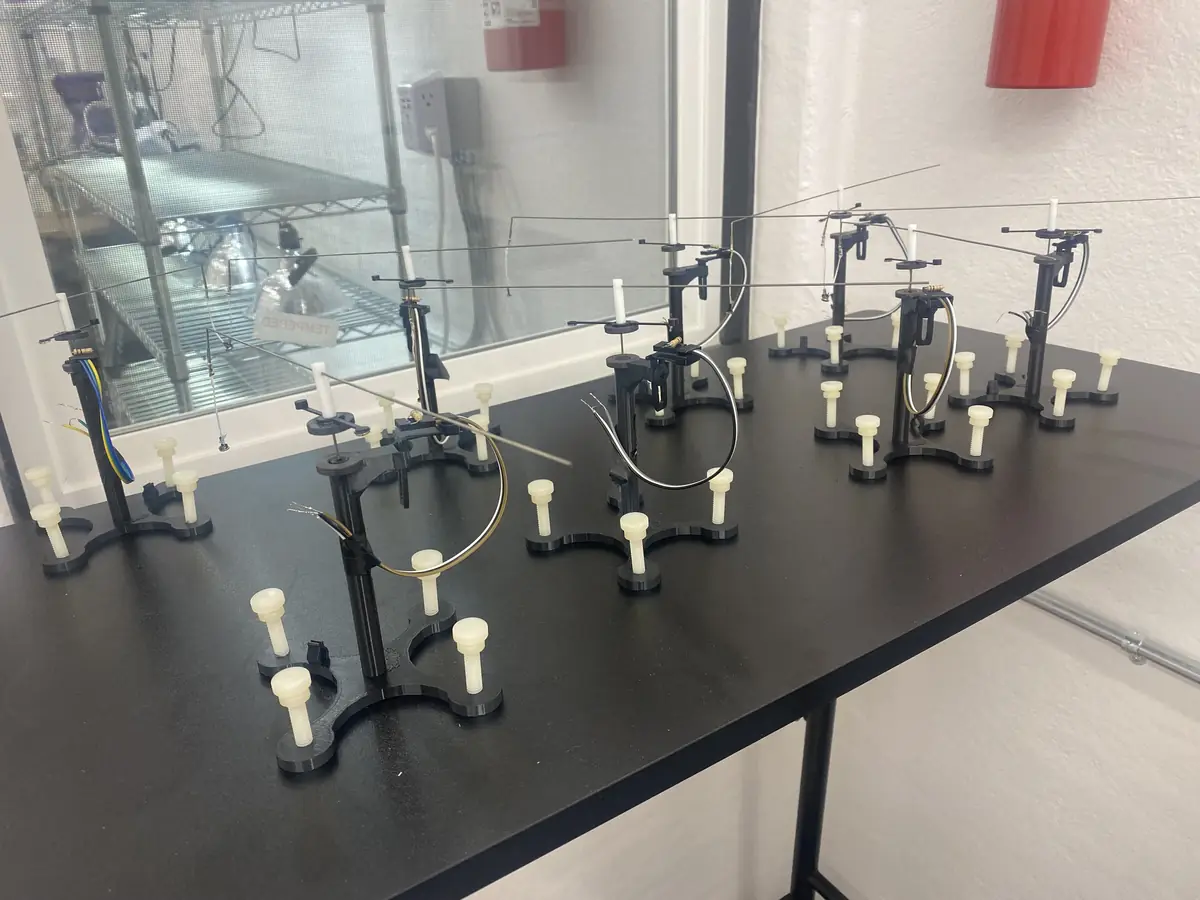
M3 integrates entomology and engineering, in collaboration with USDA and DOE, for biosecurity and agricultural resilience.
M3 is a veteran-owned company established in 2012. It was named USDA APHIS Small Business Contractor of the Year in 2017.
Every sterile fly M3 produces enters directly into USDA's existing eradication framework. Fully additive. Zero disruption to current operations.
“In three to five years SIT is paying for itself.”Teah Smith, Zirkle Fruit Company
“Since then, we have really been very clean. This year, I might have seen a couple stings all season in 125 acres.”Denny Hayden, Hayden Farms, Pasco