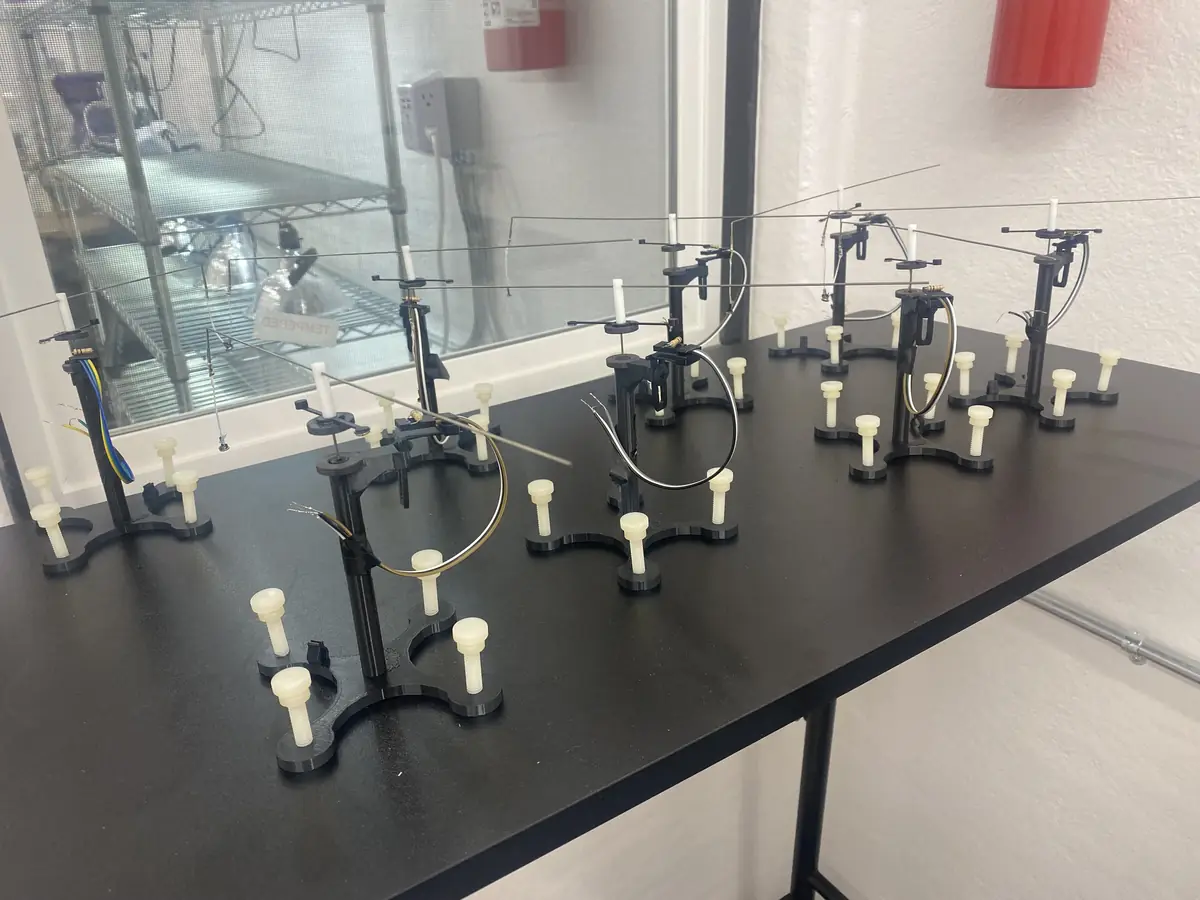
Six modules on sterile insect technique for codling moth management in tree fruit.
SIR School introduces sterile insect technique for codling moth management in tree fruit production, and how to implement it as part of a modern Integrated Pest Management program.
Entomologist Dr. Marion Le Gall teaches the course. Module 4 is delivered by Evan Esh of British Columbia's OKSIR program, with 30 years of operational SIT experience behind it.
Module 5 is a live panel with four SIT practitioners covering spray thresholds, when SIT makes economic sense, how to manage high-pressure blocks, and field lessons from Washington State and British Columbia.
An introduction to sterile insect technique through its history, from Soviet theory to the landmark U.S. screwworm eradication program. What SIT is, why it works on codling moth, and how the course is structured.
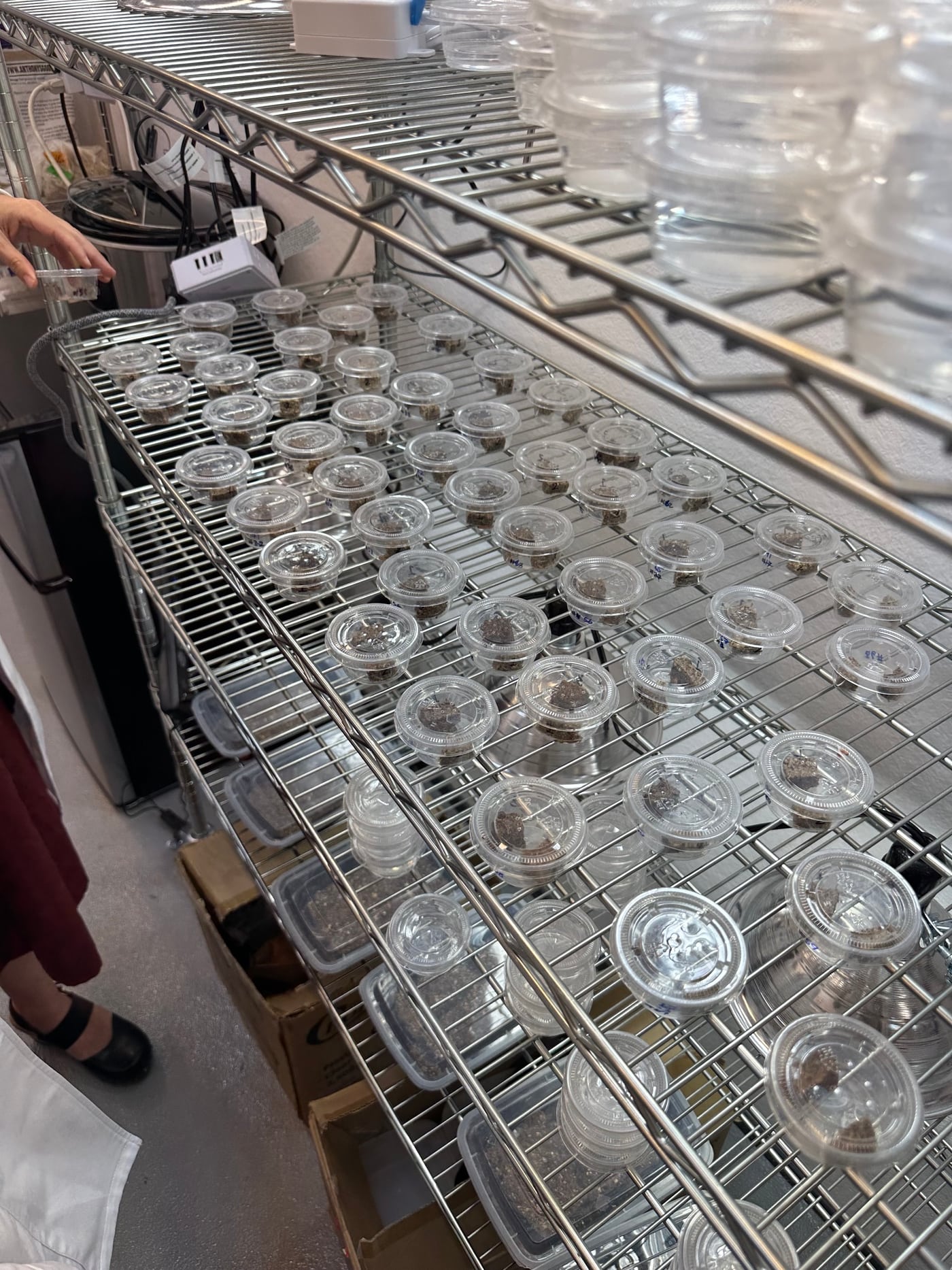
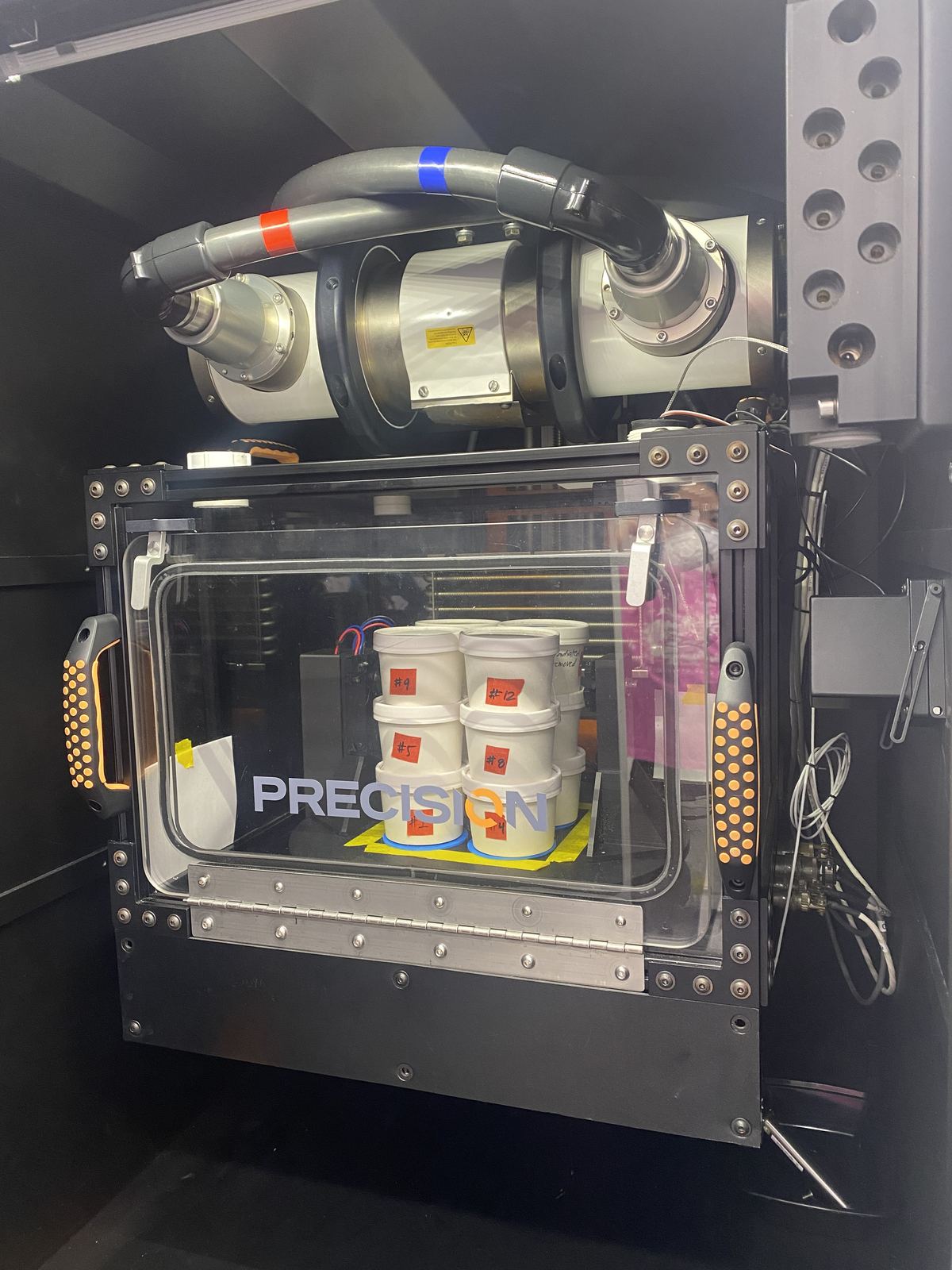
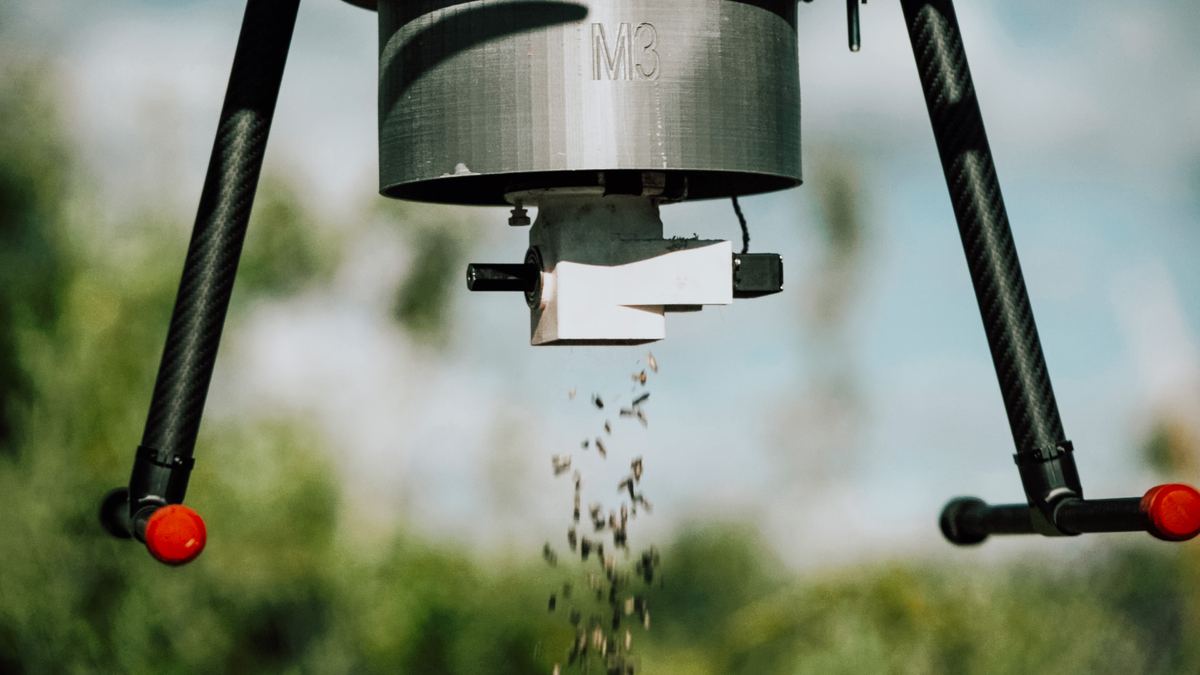
How sterile insects go from egg to field: artificial diet science, radiation sterilization and inherited sterility for Lepidoptera, quality control, torpor-based transport, and drone release logistics.
How to evaluate whether a SIT program is working: overflooding ratios, phenology-based release timing, pheromone trap interpretation, smear-test sterility verification, and why fruit damage assessment is the definitive measure of success.
Delivered by Evan Esh of British Columbia's OKSIR program. Thirty years of operational SIT experience translated into practical guidance on combining SIT with mating disruption, insecticides, and biological controls, and how population density determines which tools to use when.
A live panel with four SIT practitioners: spray thresholds, when SIT makes economic sense, how to manage high-pressure blocks, and hard-won field lessons from Washington State and British Columbia.
The transition from gamma to X-ray irradiation, the promise and regulatory barriers of CRISPR and RNAi-based sterility, nutritional geometry as a framework for faster diet development, and new SIR programs expanding globally.
Rearing, sterilization, quality control, and release, in the order the insects experience them.
The course is free. When you are ready to talk about your blocks, the first conversation assesses fit.